Peace Infrastructure
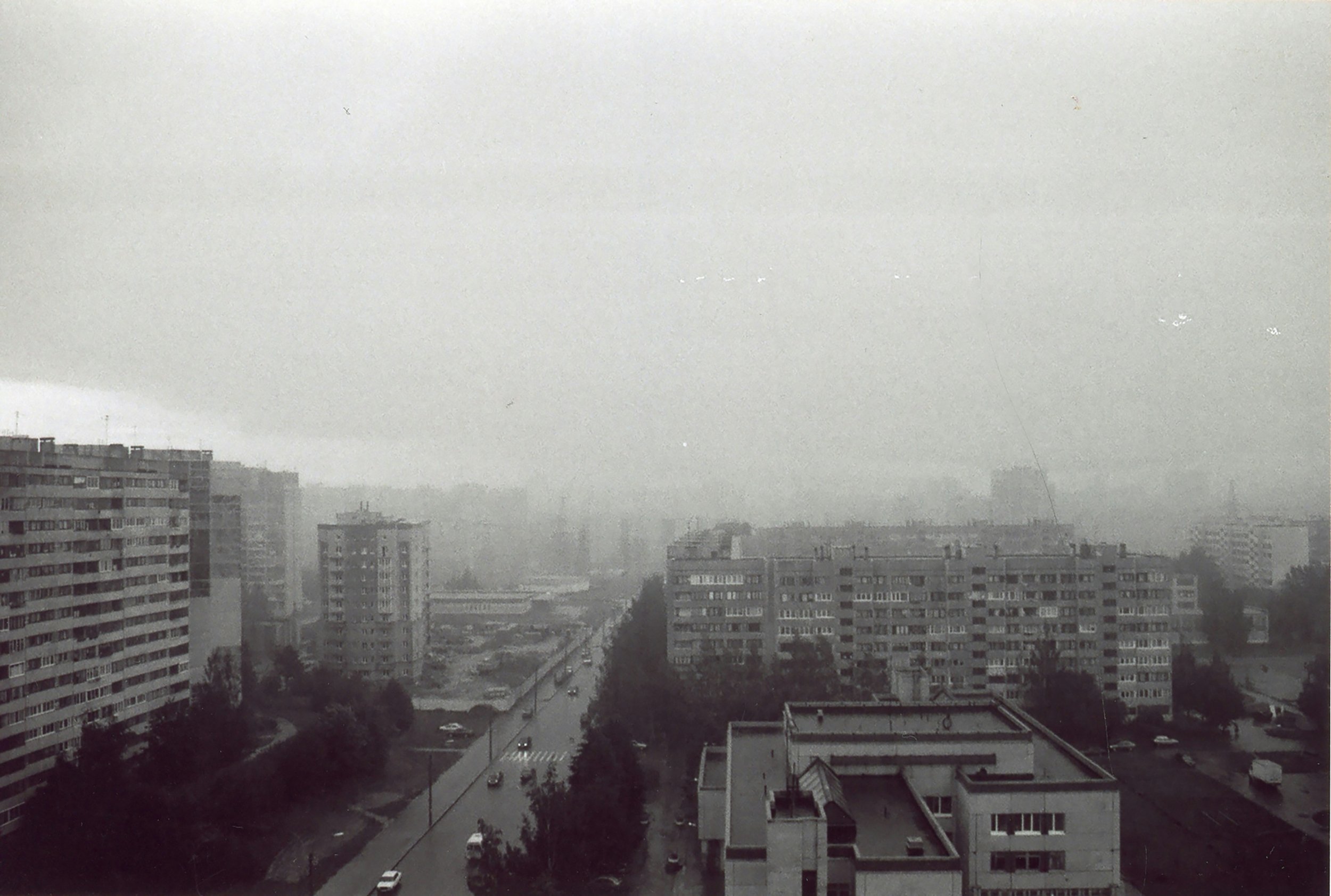
What would a world designed for peace, not war, actually look like?
Photo by Alyona Chipchikova.
Why living in harmony needs to be our next modern innovation
It has taken me some time to land in this conversation. Somehow the road leading to discussing peace needed to take many detours, but the starting point kept being the same. Can we, humans, solve our shared current problems without completely reframing who we really are? The question is so simple, yet so painful that we keep circling around it, trying to find ways to shift the question from something deeply personal to a less vulnerable one. Tackling technology, digital transformation, economic systems or carbon emissions are seriously complex, but not as painful as having to deal with the existential question about what scares us the most: meaning and purpose in living a human life.
But to be able to sit with that question requires a few grounding principles:
That you have food, shelter and the basic frameworks for survival, giving you time and space to ponder what lies beyond day-to-day survival.
That you live in a time and place where you are seen, heard and have agency over your living outcome.
That you are free from conflict, where others cannot decide your potential and your meaning.
To live well, then, means you need to live in a nation of peace, surrounded by other nations just as peaceful.
I feel vulnerable stating such a simple idea, but in a mad and brutal world, feeling scared and susceptible might be a good thing. So I state, with a low but brave voice: let's talk about peace.
World of Wars
Peace infrastructure means not only the absence of war, but the presence of systems, relationships and conditions that make violence structurally unnecessary. It is an infrastructure built, maintained and designed to make peace matter more than armed conflict. I don't know what this landscape looks like — we've never been there. But I can confidently say that it matters, since I know that very few human beings argue war is a good thing. I don't need data to prove this; I will happily refer to gut feelings and deep human emotions as my point of reference.
The current world consists not only of active conflicts, but of the normalisation of war logic in economics, politics, urban design, institutional culture and language. I refuse to accept it. And yet, there is one uncomfortable structure worth naming: war and destruction remain among the most reliably funded activities on earth, quietly boosting GDPs worldwide. What would it mean to design economies where peace is equally profitable? Is it even necessary to frame peace in terms of profit at all? And if peace doesn't boost economies, is that reason enough to keep it off the table at serious discussions of societal solutions? We seem to want peace on a thinking level, but need war to pay our rents. Then where do we find the wisdom to clarify this — in low-tech, high-tech, cables or neurons?
Peace as a three-dimensional outcome
Now, I would like to propose peace not as a feeling or an absence of conflict, but as something spatial and relational that can be built into physical environments, institutional structures and daily life. But I don't yet know what peace infrastructure might look like in a three-dimensional drawing. And this is where I, with conviction, will lean on my background in architecture and strategic design practice. I want to make peace tangible and specific rather than abstract. I want to make peace a visual image and an argument easily adopted — one where we can refuse what is being rehearsed for us and discuss other ways.
I want to think slowly about peace. And I've decided to make it an open and collective effort through When!When!'s new portfolio of peace as an infrastructure. Throughout this year, I'm doing this via various mediums, and first out is my new novel In The Corner Of The Eye, which might somehow lay an inspirational framework for a continuous dialogue. What if humanity is now intelligent enough to erase the killing of each other? The book asks this fundamental question in times of artificial intelligence and dialogues on what true wisdom and safe futures might look like.
I don't have the full answer, and I'm not sure anyone does alone. That's precisely why I'm asking — what do you see that I might have missed?
"In The Corner Of The Eye" will be released mid-June and can be found HERE.